Implantology and complex prosthodontics · Banovo brdo, Belgrade
Implants, plannedbefore the incision
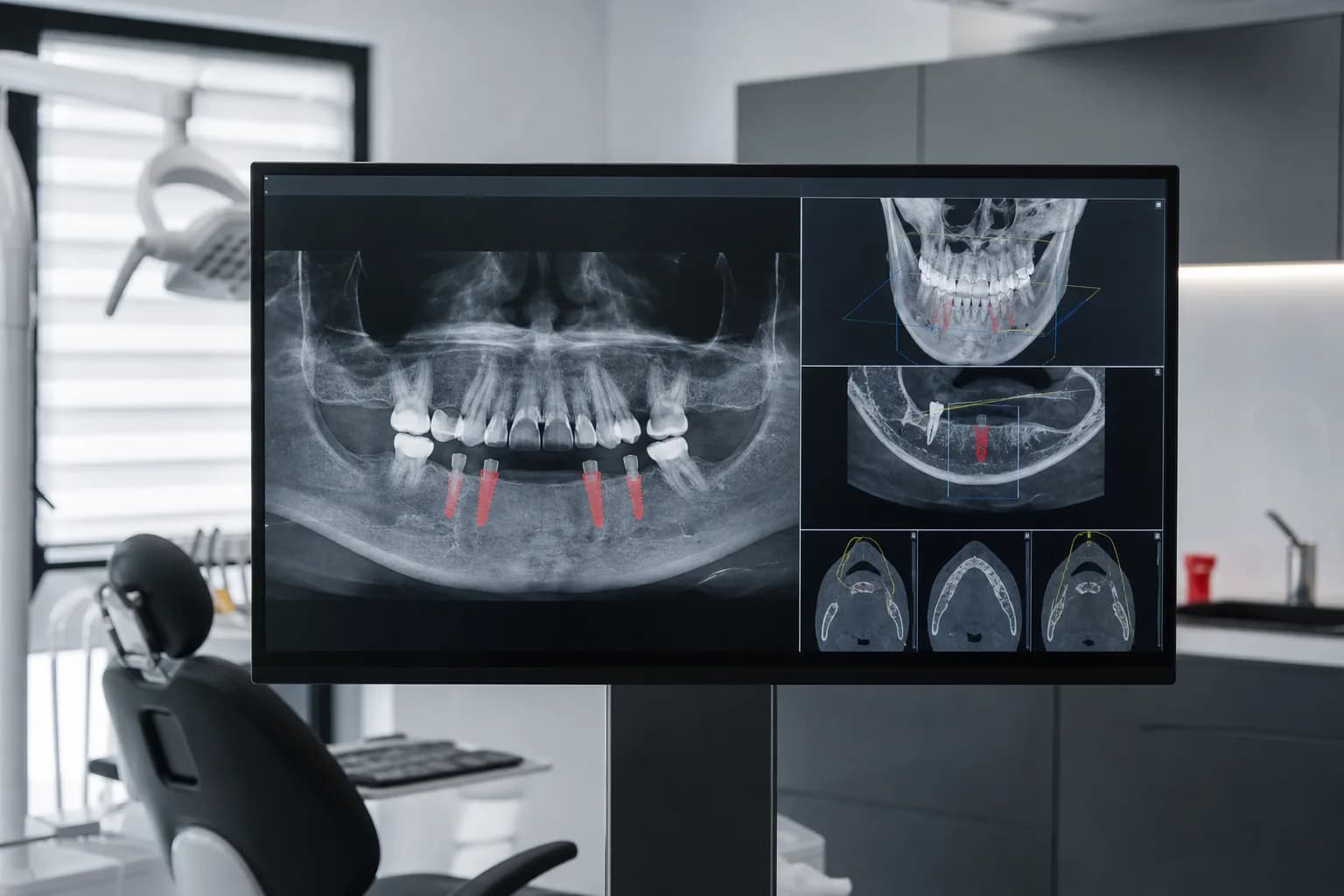
Axiom Dental is a centre for implantology and complex prosthodontics, from a single implant to full-arch treatment, bone grafting and full-mouth rehabilitation. Every plan starts with a CBCT scan and a team case review, and you receive it in writing, with phases, risks and alternatives.
- CBCT imaging and 3D planning on site
- Team review of every complex case
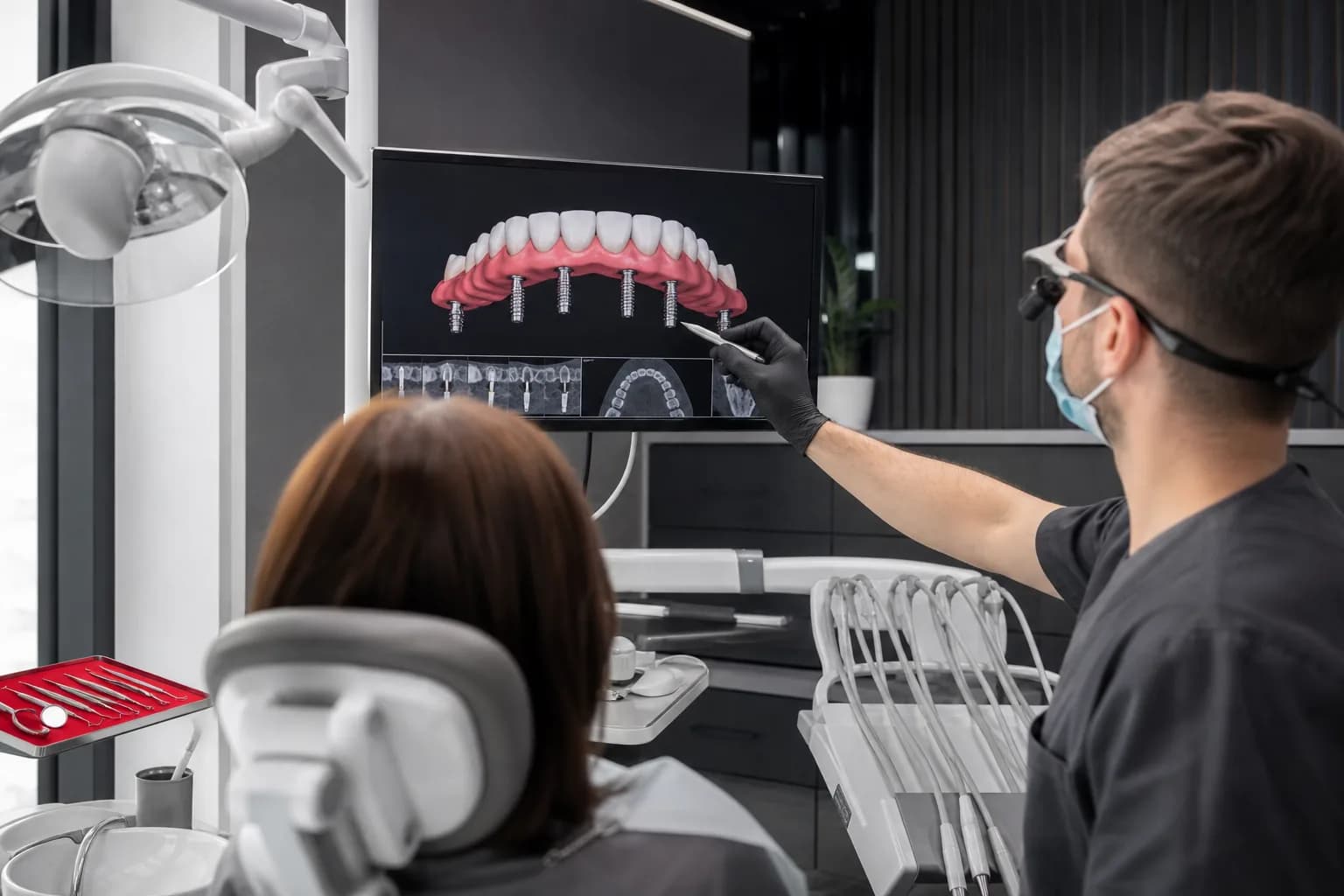
- A written plan with phases, risks and alternatives

01About us
A clinic built around planning
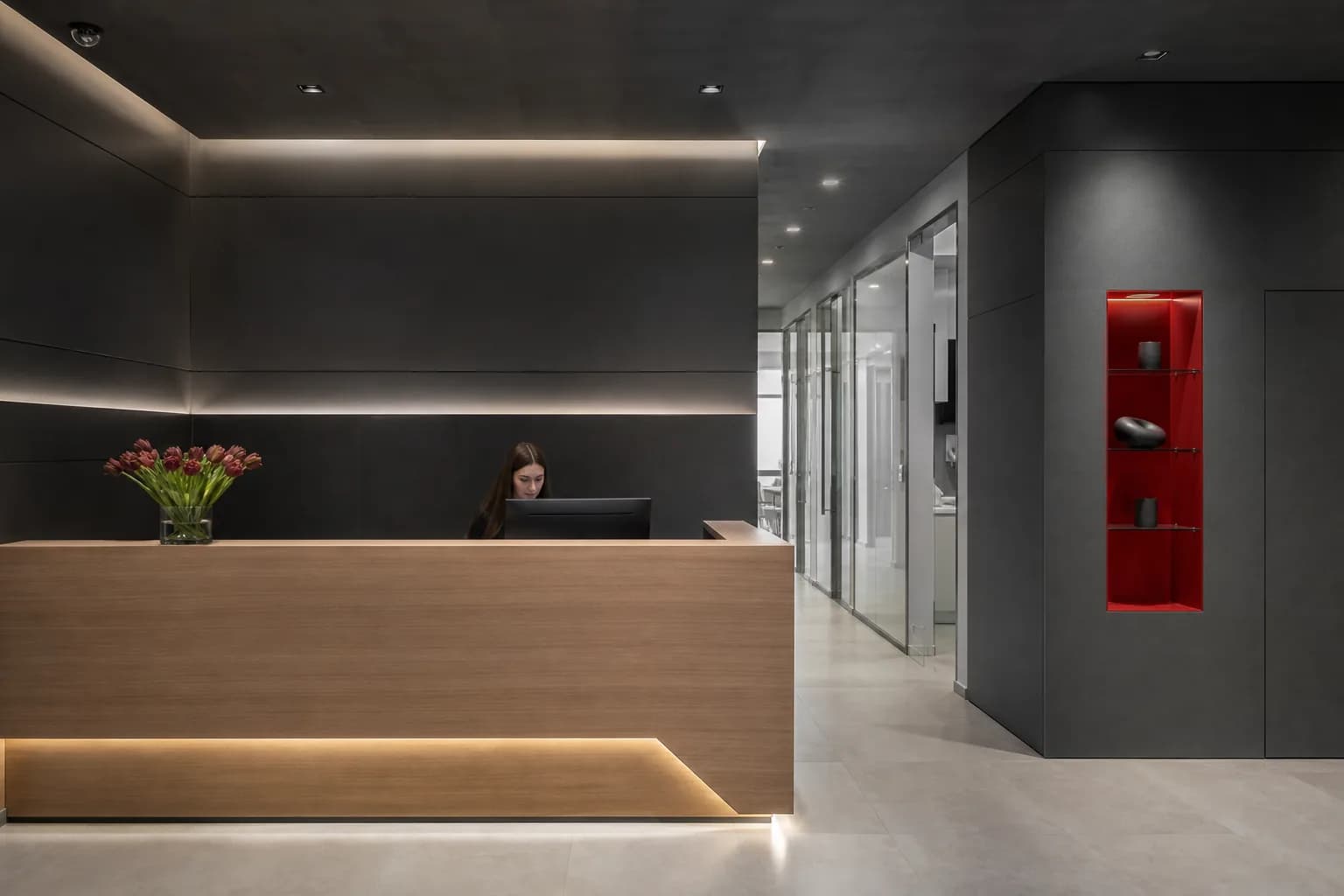
Axiom Dental grew out of the conviction that complex dental treatment requires a different way of working: time for diagnostics, collaboration between specialists and an open conversation about risk. Our focus is deliberately narrow, so that we can do it thoroughly.
02Treatments
Treatments, from diagnostics to maintenance
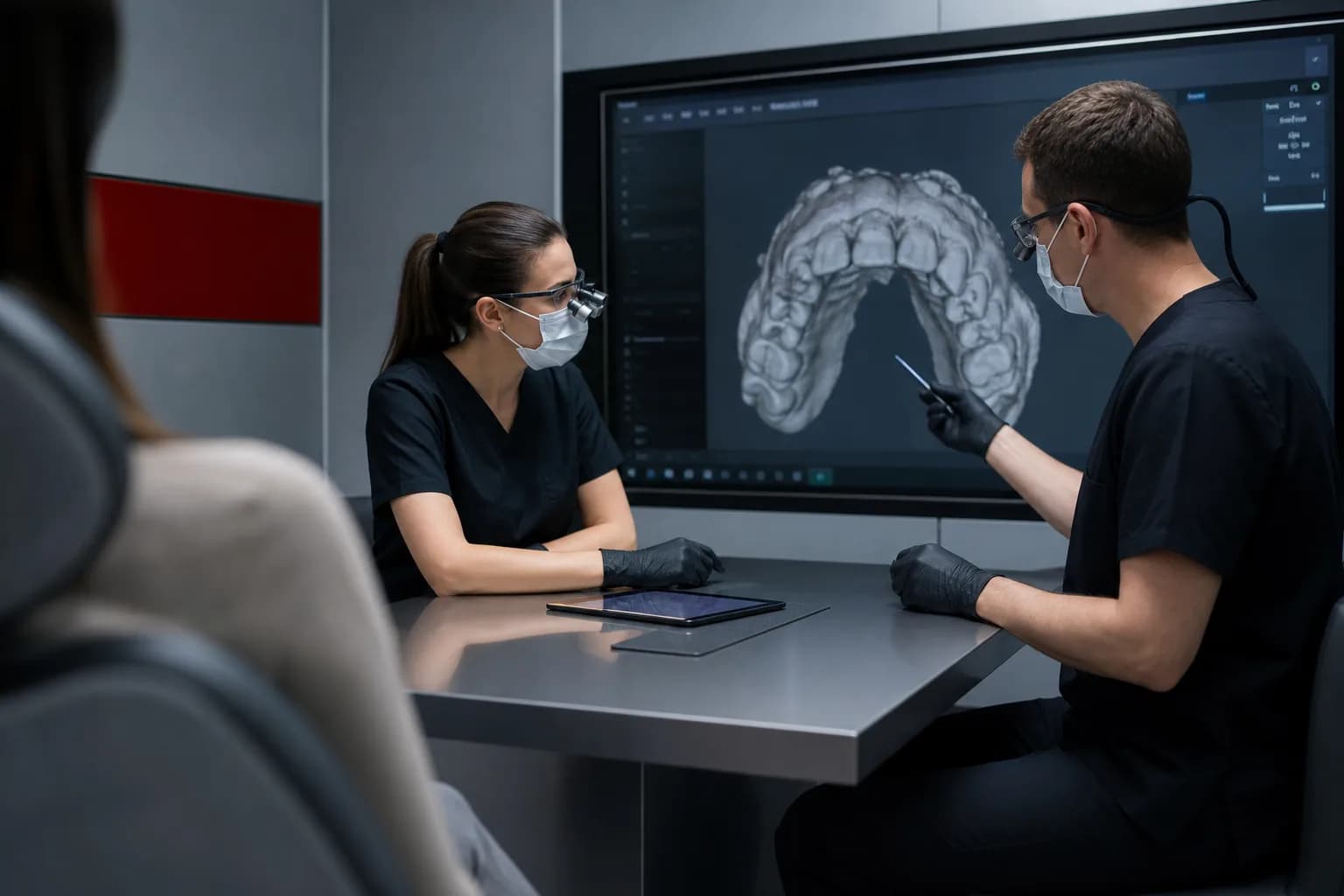
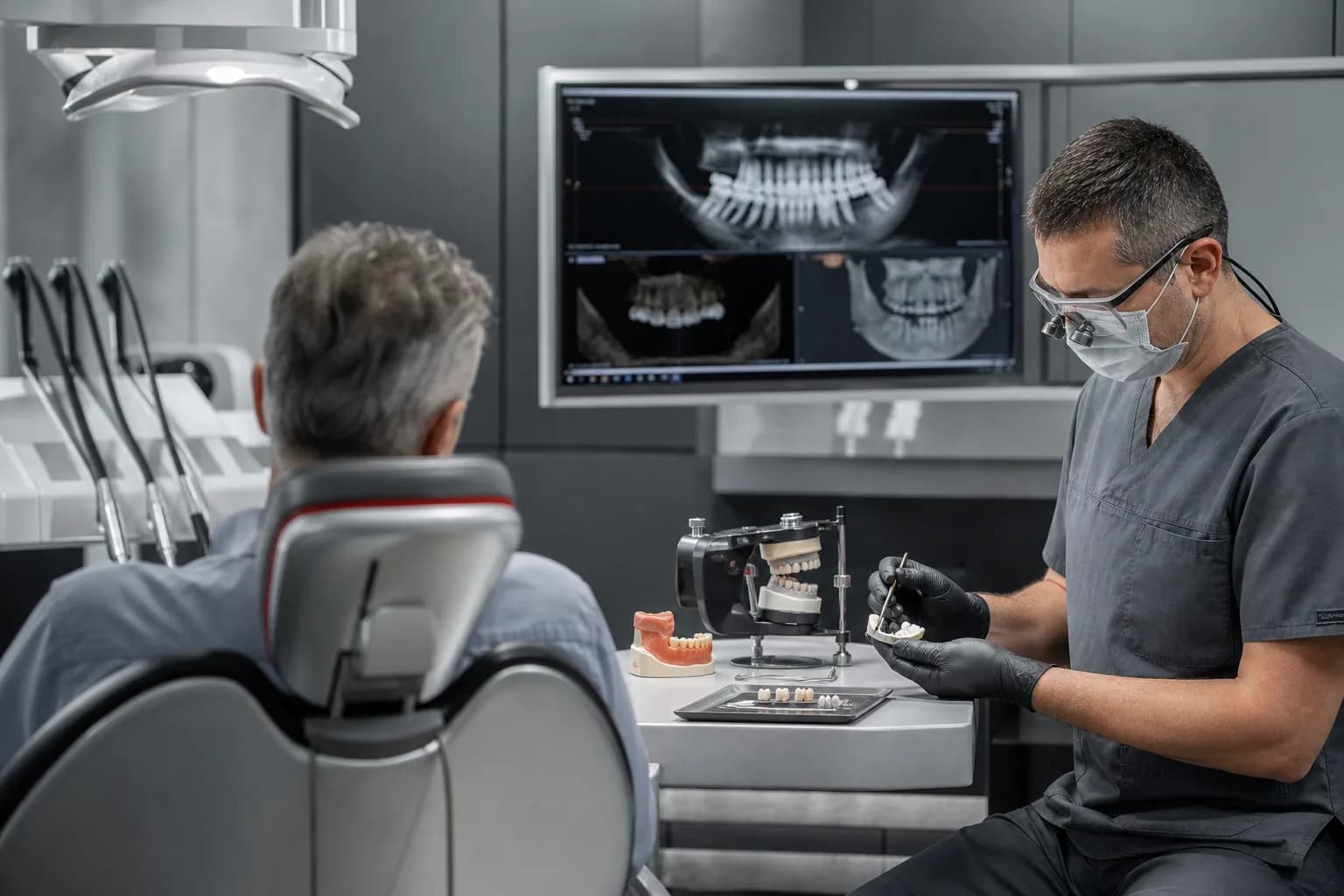
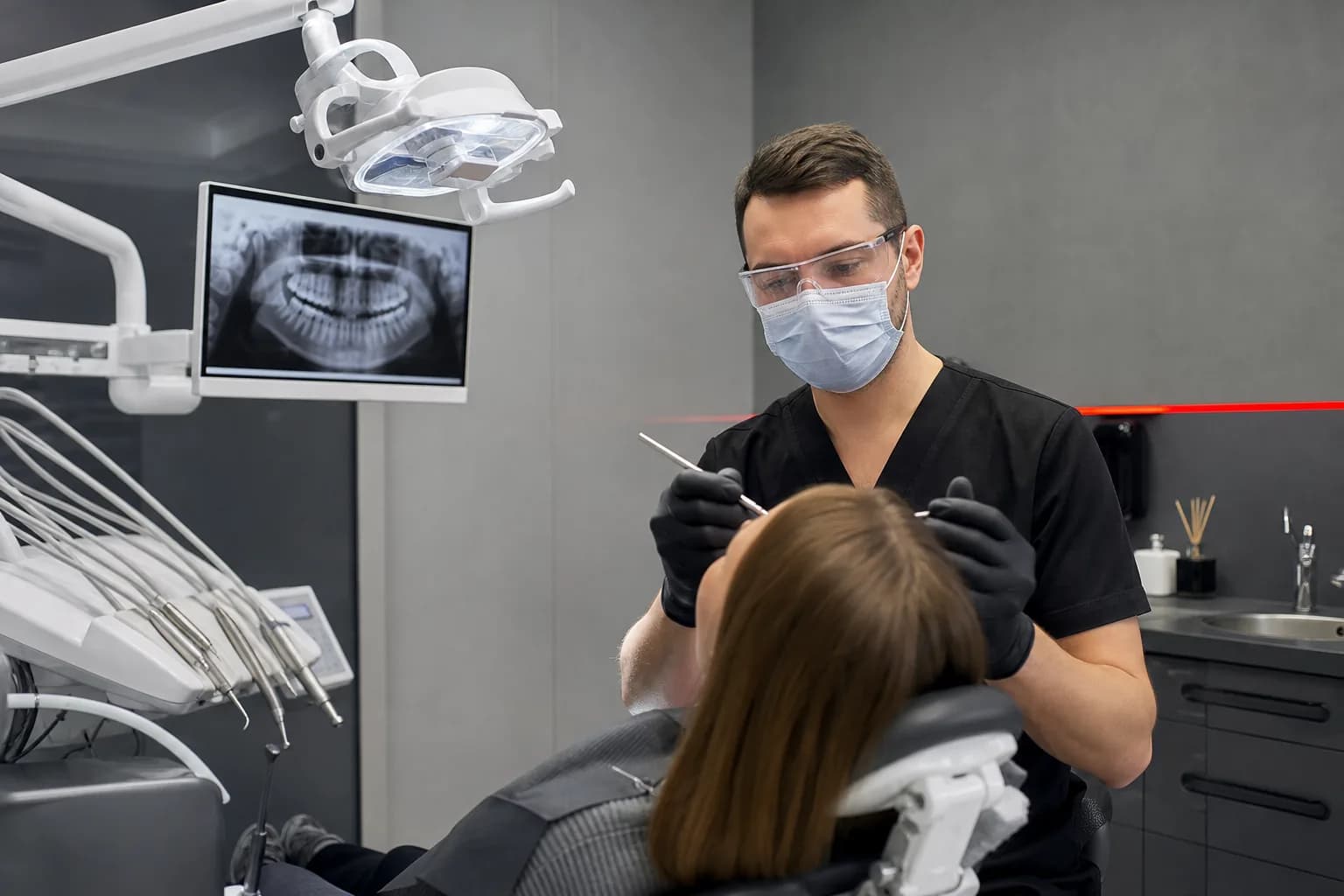
Implantology and prosthodontics are our main focus, while orthodontics, aesthetics, children's dentistry and emergency care are part of the same system. For each treatment we describe the phases, duration, recovery and what the starting price covers.
03Clinic
How we work
CBCT on site
The 3D scan is taken during the same visit, so the plan is based on actual bone measurements.
Team case review
Complex cases are reviewed jointly by the surgeon, prosthodontist, orthodontist and general dentist.
Written plan and costs
You receive the phases, decision points and costs in writing, with time to consider them.
Complete records
On request you receive copies of your scans, plan and the details of the implants placed.
04Clinic and equipment
Space and equipment that serve the plan
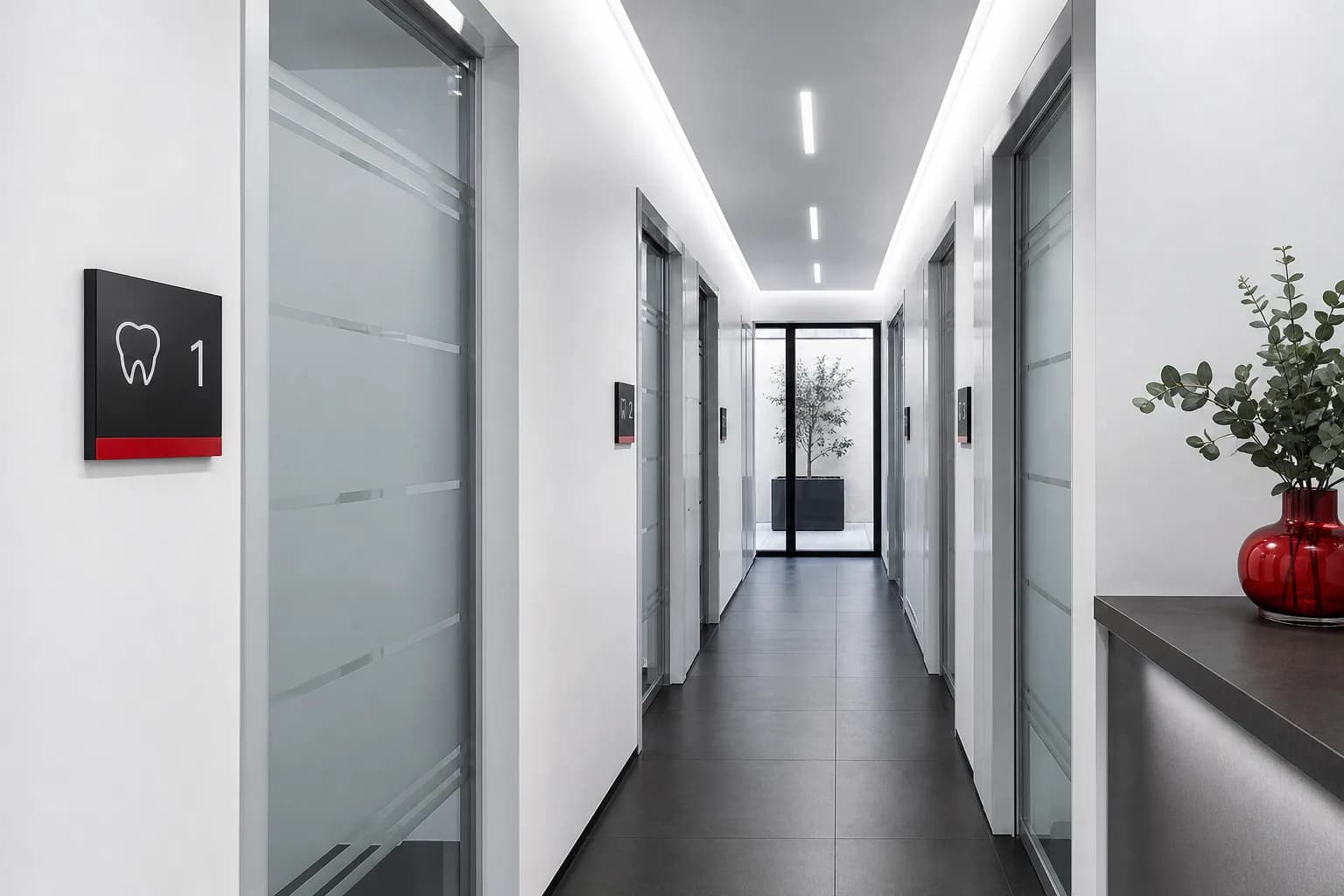
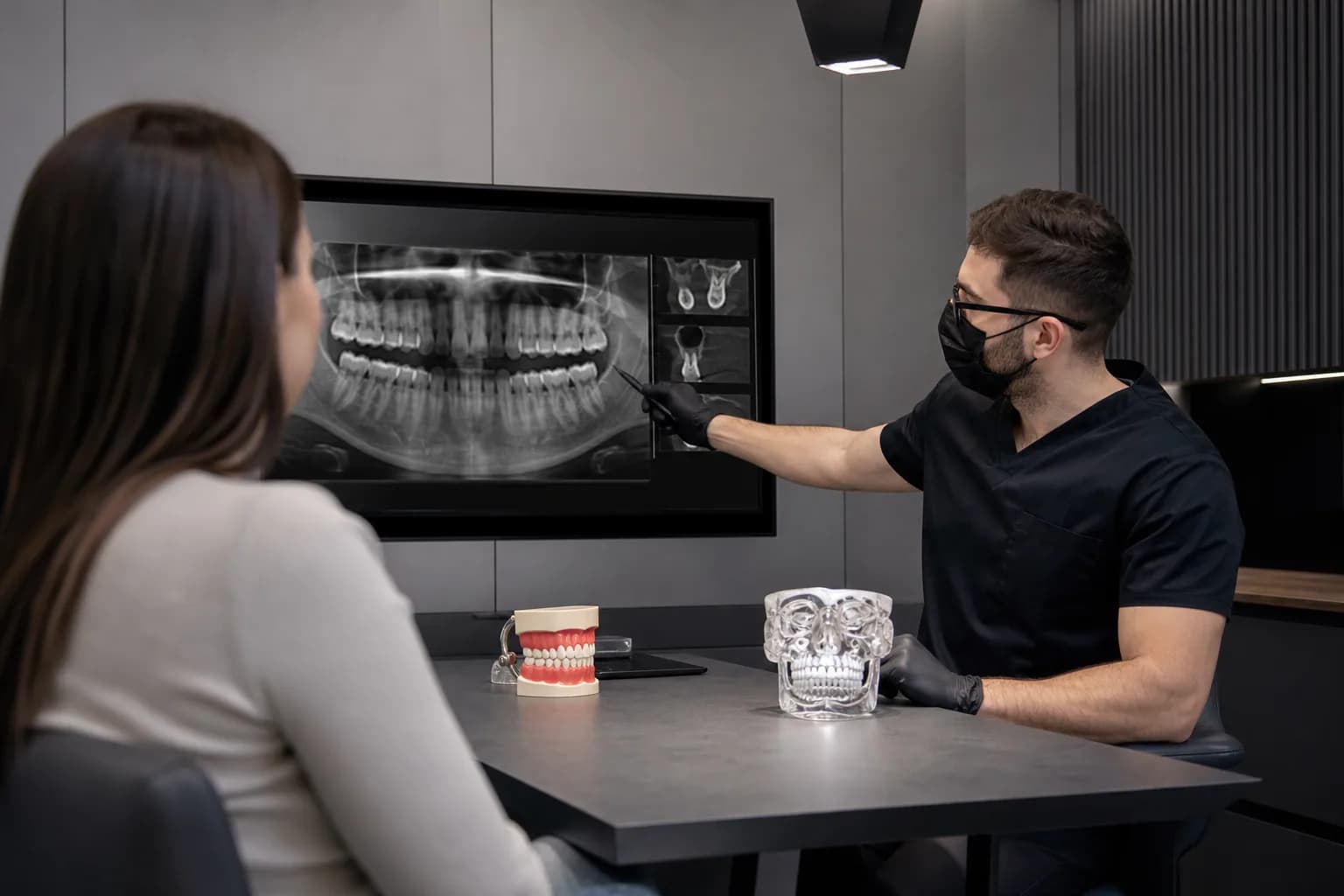
The clinic in Banovo brdo is organised around diagnostics and surgery: the CBCT, the planning area and a separate surgical suite are on the same level, a few steps from the treatment rooms.
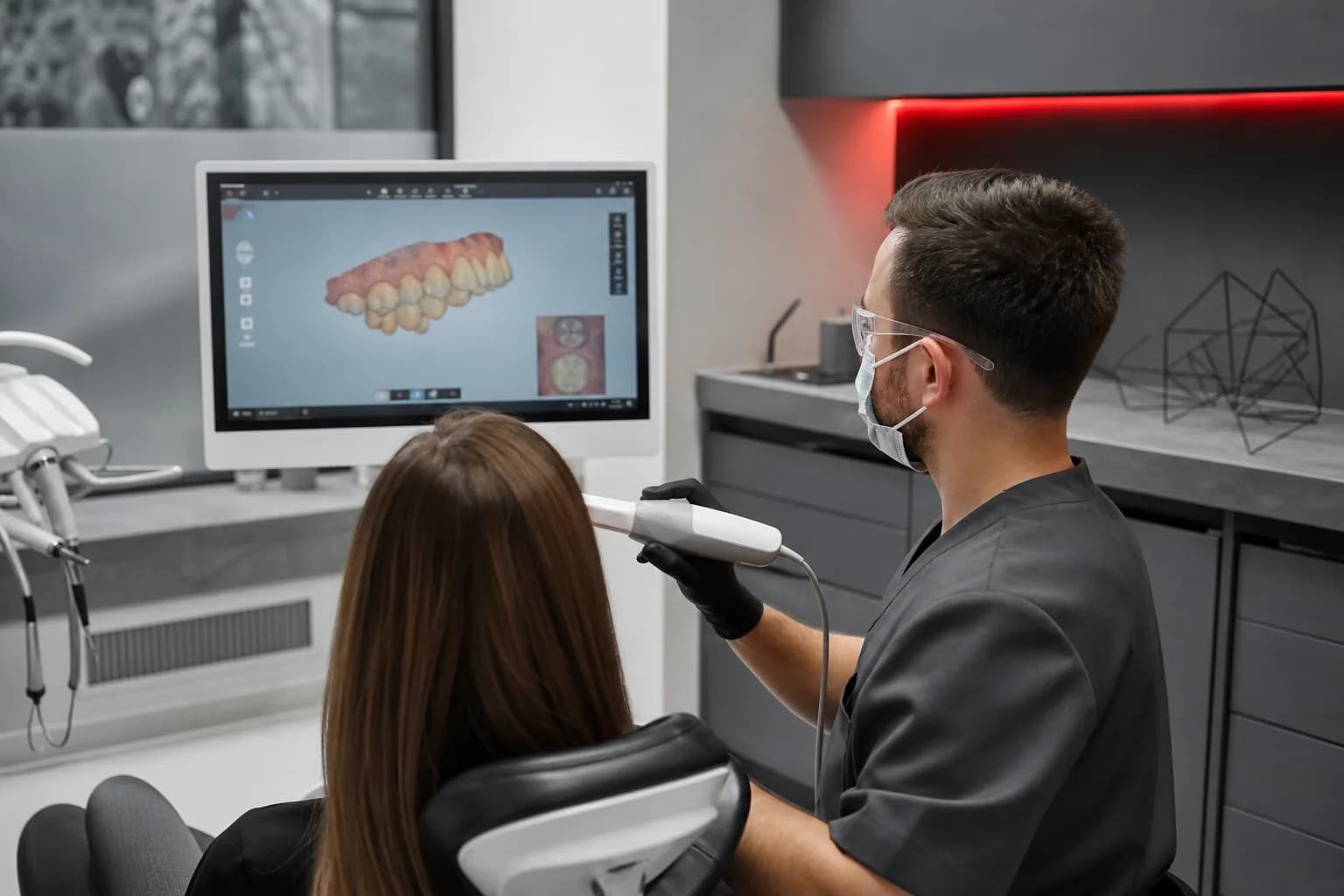
- Intraoral scannerThe scanner optically records the teeth, gums and implant positions and produces a digital model of both jaws within minutes. That model is the starting point for designing crowns, bridges and surgical guides, and it is stored so that changes can be compared at check-ups.
- Digital intraoral X-rayA sensor captures images of individual teeth directly on screen with a low radiation dose. We use it to check root canal fillings, verify the fit of crowns and monitor the bone level around implants over the years.
- CBCT 3D imagingCBCT produces a three-dimensional image of the jaw on which bone height and width can be measured and the position of nerves, sinuses and roots can be seen. It is used to plan implants, assess the need for bone grafting and design surgical guides. We choose the size of the scanned area according to the question the scan needs to answer.
05Team
Four disciplines, one plan
An oral surgeon, a prosthodontist, an orthodontist and a general dentist work on shared cases and sign off the plan together whenever treatment crosses the boundaries of one discipline.
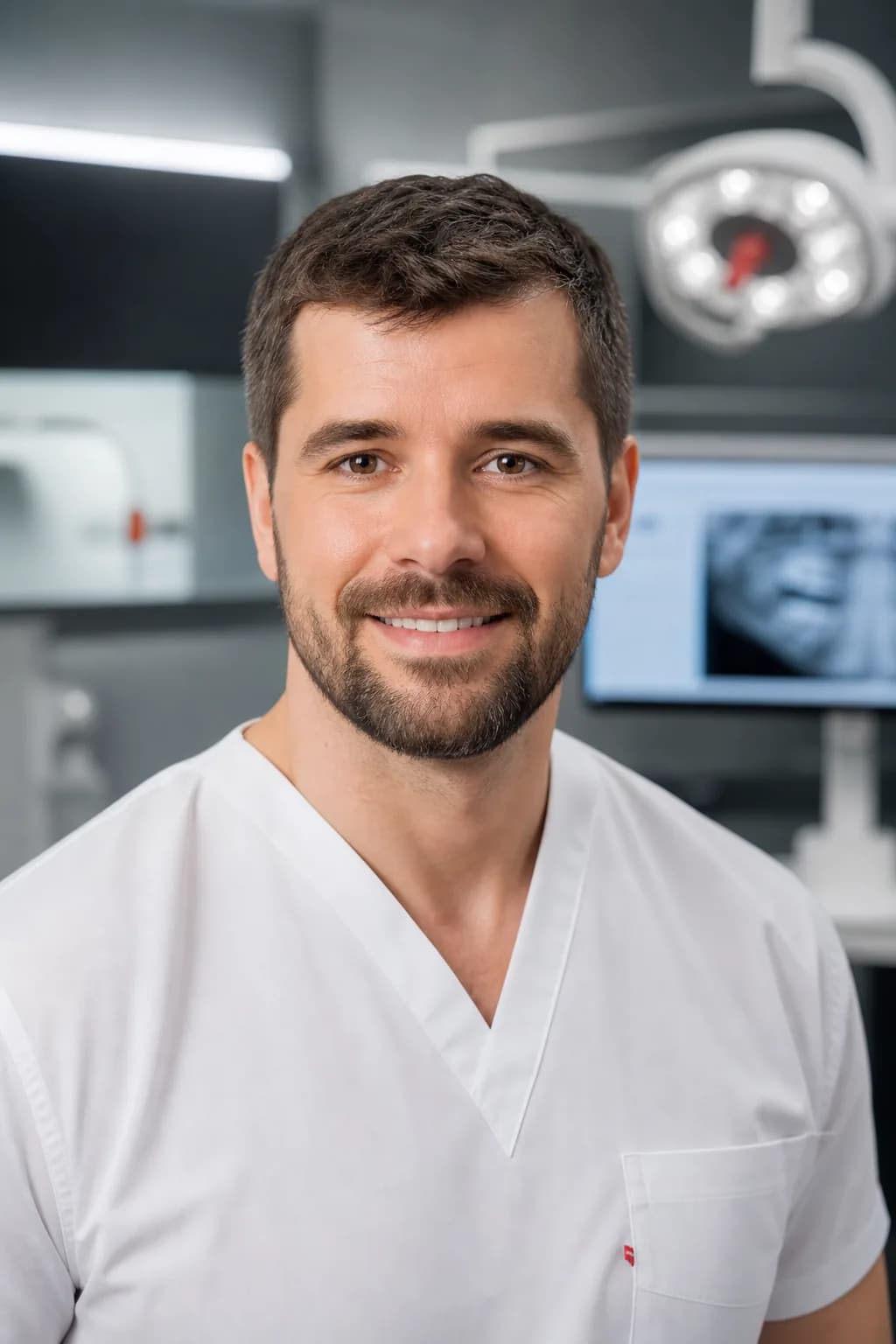
Dr Aleksandar Jakovljević
Specialist in oral surgery
Leads the surgical side of implant plans, from single implants to full-arch work, with a particular focus on cases with insufficient bone.
Book with this dentist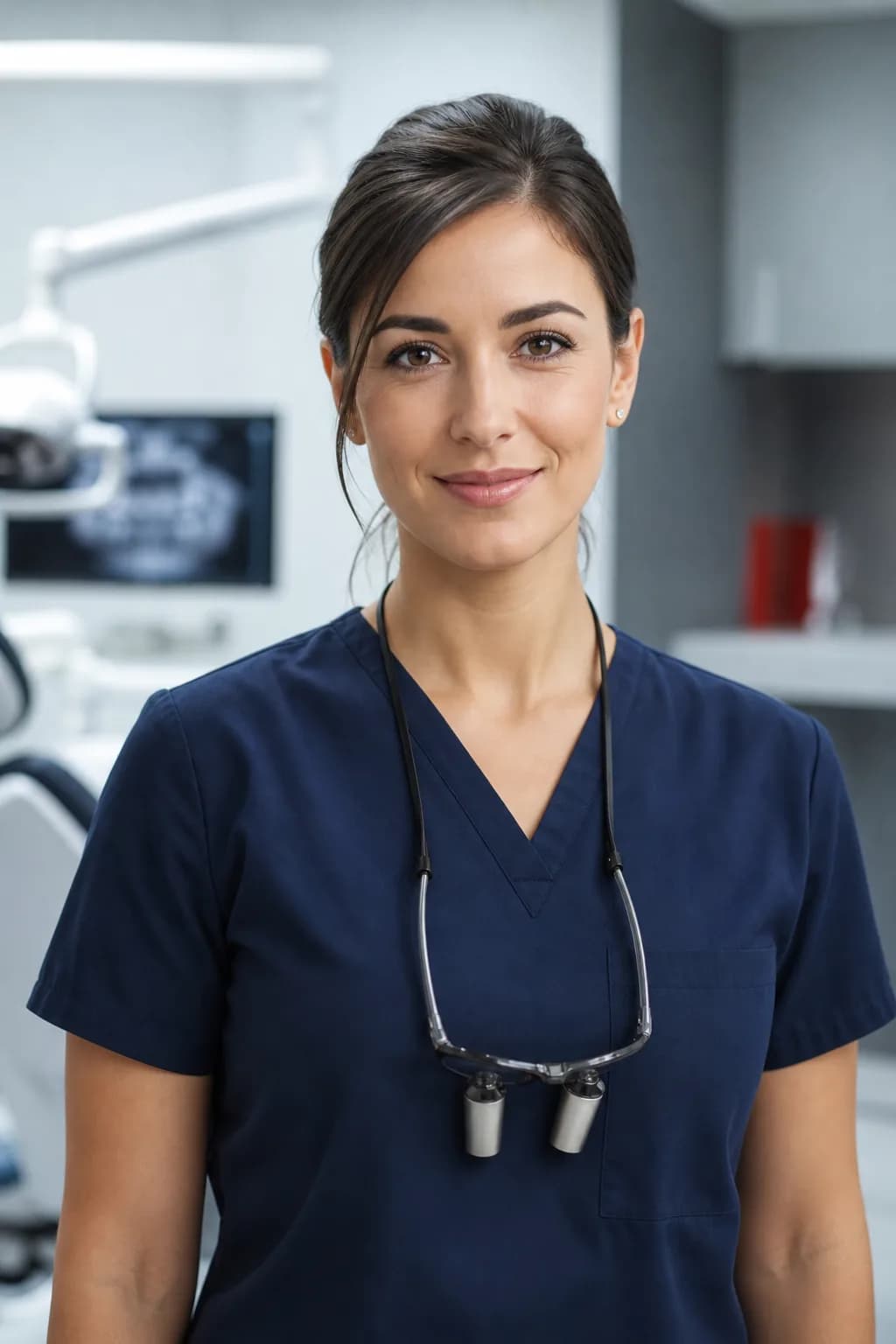
Dr Katarina Mladenović
Specialist in prosthodontics
Coordinates multidisciplinary plans and leads the restorative phase, from bite analysis and provisionals to the final crowns and bridges.
Book with this dentist
Dr Danica Sretenović
Specialist in orthodontics
Focuses on orthodontic treatment for adults, especially tooth movement that prepares space for implants and restorations.
Book with this dentist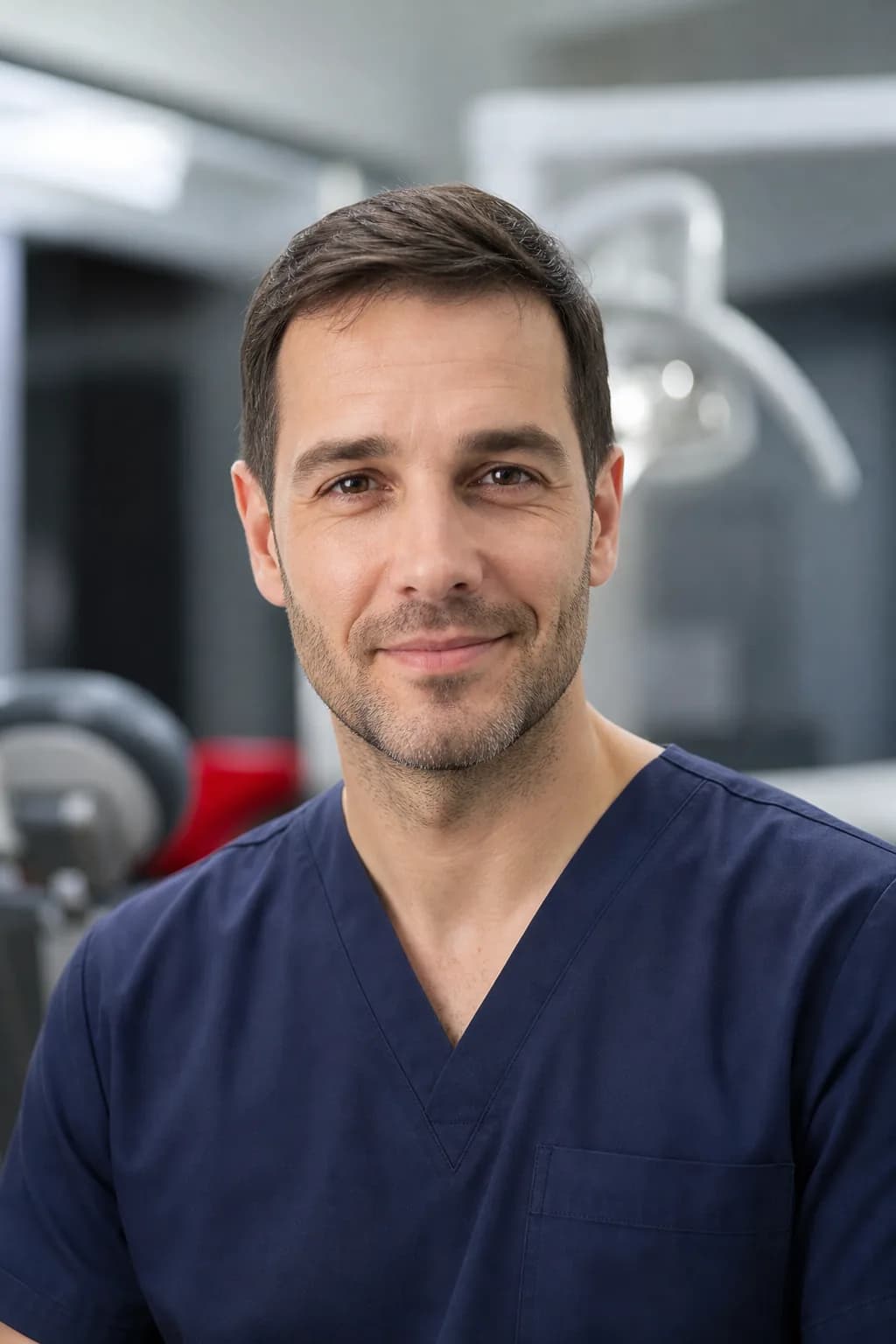
Dr Bojan Prodanović
Dentist
Prepares the mouth for complex treatment, runs the long-term implant maintenance programme and sees emergency patients.
Book with this dentist06Patient experiences
How patients describe planning and treatment
Before deciding on a full lower arch, I received a plan with two options, including an implant-retained denture, with the phases and costs of each. At the consultation we went through the risks, and I made my decision a week later without feeling rushed.
Zoran T. I was shown on the CBCT scan how much bone was missing above the molar and why a sinus lift was needed before the implant. The swelling lasted a few days, just as I had been told, and the written instructions were more useful than I expected.
Sanja V. I sent my scan from Stuttgart and had a video call with the surgeon in English before travelling. In Belgrade the plan differed in only one detail, which was explained to me before the procedure, not after.
Thomas K.
07FAQ
Questions patients ask us most often
Short answers about implants, recovery, duration, payment and travelling from abroad. The answers are general; for your case, the examination findings apply.
Placement is done under local anaesthetic, so during the procedure you usually feel pressure and vibration rather than pain. Once the anaesthetic wears off, most patients have moderate soreness and swelling, which are managed with standard painkillers and cold compresses. After more extensive procedures, such as bone grafting or several implants at once, discomfort is more pronounced and lasts longer, and we discuss this in advance.
On the CBCT scan we assess the height and width of the bone and the position of the sinuses and nerves. Depending on the findings, options may include guided bone regeneration, a sinus lift, shorter or narrower implants, a different implant layout, or sometimes a solution without implants. Each option has its own timeline and risks, which we set out in the written plan.
We accept payment cards, cash and bank transfer. For larger plans, such as full-mouth rehabilitation or full-arch implant work, payment can be spread across phases or in instalments by agreement. We agree the terms before treatment begins and set them out alongside the written plan.
You can book through the form on the website, by phone or by message. When booking, briefly describe the reason for your visit and mention whether you have earlier X-rays, so we can allow enough time and, if needed, schedule a CBCT in the same visit. You will receive confirmation by message or email.
Booking
Book a consultation
A first visit usually takes 45 to 60 minutes and includes an examination and, where needed, a CBCT scan. Briefly state the reason for your visit so we can allow enough time.